Cobaltous Chloride A Versatile Compound for Various Applications

Cobaltous chloride, also known as cobalt chloride, with the chemical formula CoCl2, has gained significant attention in the field of chemistry due to its wide range of applications. One of the most common forms is Cobalt chloride hexahydrate, CoCl2.6H2O, which is a bright red crystalline compound. Its unique properties and uses make it an indispensable substance in various industries.

Chemical Makeup and Structure

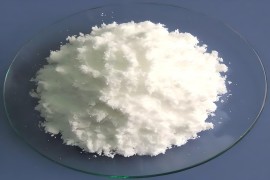
Cobaltous chloride is an inorganic compound that consists of cobalt and chlorine atoms. With a molecular weight of 129.84 g/mol, it forms light pink crystals, which readily dissolve in water. When combined with six molecules of water, it forms cobalt chloride hexahydrate, a deep red compound that exhibits different properties compared to the anhydrous form.

Applications in Industry

Desiccant Indicator

Cobalt chloride finds widespread use in desiccants due to its hygroscopic nature. It serves as an indicator, changing color when exposed to moisture. In its anhydrous form, it appears blue, while the hexahydrate form appears pink. This color change makes it valuable in indicating humidity levels in sealed environments, such as packaging or storage areas.

Catalysts

Cobaltous chloride is a common component of catalyst systems in chemical reactions. It acts as a catalyst in various processes, including organic synthesis, hydroformylation, and polymerization reactions. By accelerating these reactions, cobalt chloride enables the production of a wide range of products, such as plastics, chemicals, and pharmaceuticals.

Electroplating

In the electronics and automotive industries, cobalt chloride serves as an essential component in electroplating processes. It helps in the deposition of cobalt metal on various surfaces, enhancing their durability and resistance to wear and corrosion. This makes it a vital substance for coating metals used in electrical circuits, jewelry, and automotive parts.

Biological and Medical Uses

Cobaltous chloride has found applications in the field of medicine and biology. It is occasionally used as a supplement in animal feed to prevent cobalt deficiency and improve livestock health. Moreover, it has shown potential in biomedicine, being investigated for its antitumor properties and as a component in targeted drug delivery systems.

Safety Considerations

While cobaltous chloride is valuable in numerous applications, it is essential to handle it with care. Direct contact with skin or inhalation of its dust should be avoided, as it can cause irritation and allergic reactions. Furthermore, ingestion or prolonged exposure to high levels of cobalt compounds may lead to adverse health effects.

Conclusion

Cobaltous chloride, in its various forms, is a versatile compound with a wide range of applications. Whether as a desiccant indicator, catalyst, electroplating material, or in the biomedical field, its unique properties contribute significantly to various industries. However, safety precautions must be observed during handling to ensure the well-being of both humans and the environment.

READ MORE >

The Versatility of Dehydrogenated Electrolytic Manganese and Manganese Metal

Dehydrogenated Electrolytic Manganese, commonly referred to as DHEM, is a valuable metallic element known for its exceptional properties and wide-ranging applications. This article explores the significance and uses of Dehydrogenated Electrolytic Manganese, including its different forms such as Dehydrogenated Electrolytic Manganese 99.9%, Dehydrogenated Electrolytic Manganese Metal Flakes, Manganese Metal, and Manganese Metal Flakes (CAS 7439-96-5).

Understanding Dehydrogenated Electrolytic Manganese

Dehydrogenated Electrolytic Manganese is a type of refined manganese produced through a process of dehydrogenation by removing hydrogen gas from Electrolytic Manganese Metal (EMM). With a high degree of purity, DHEM exhibits excellent physical and chemical properties, making it indispensable in various industries.

Dehydrogenated Electrolytic Manganese 99.9%

Dehydrogenated Electrolytic Manganese 99.9% is a specific grade of DHEM known for its extremely high purity, making it ideal for applications where stringent quality standards are required. This grade of DHEM finds extensive use in the production of batteries, electronics, catalysts, and other high-tech industries.

Dehydrogenated Electrolytic Manganese Metal Flakes

Dehydrogenated Electrolytic Manganese Metal Flakes are a specific form of DHEM that offers unique advantages in certain applications. These flakes possess increased surface area, enabling better reactivity and enhanced performance. They are often used in the production of thermites, alloys, and as a raw material in the chemical industry.

Exploring Manganese Metal and Manganese Metal Flakes

In addition to DHEM, Manganese Metal and Manganese Metal Flakes (CAS 7439-96-5) are two other significant forms of manganese that find widespread application in various industries.

Manganese Metal, also known as electrolytic manganese, is produced through a similar process as Dehydrogenated Electrolytic Manganese. It is utilized in the steel industry as an alloying element to improve the strength, hardness, and corrosion resistance of steel. Manganese Metal is essential in the production of stainless steel and aluminum alloys and plays a vital role in the steelmaking process.

Manganese Metal Flakes (CAS 7439-96-5) provide unique benefits due to their increased surface area, making them ideal for use in the production of steel, light bulbs, batteries, and other applications where high purity and reactivity are crucial.

Applications and Benefits

The versatility and wide-ranging applications of Dehydrogenated Electrolytic Manganese and Manganese Metal make them indispensable in various industries. Some key applications include:

  1. Steel industry: Manganese Metal is used as an alloying agent to enhance the strength and corrosion resistance of steel.

  2. Batteries: DHEM and Manganese Metal Flakes are commonly utilized in the production of batteries for improved performance and longevity.

  3. Electronics: Dehydrogenated Electrolytic Manganese finds use in the manufacturing of electronic components, such as semiconductors and cathodes.

  4. Chemical industry: The diverse properties of DHEM and Manganese Metal make them valuable raw materials for the chemical industry, enabling the production of catalysts, pigments, and other chemical compounds.

Conclusion

Dehydrogenated Electrolytic Manganese and its different forms, including Dehydrogenated Electrolytic Manganese 99.9%, Dehydrogenated Electrolytic Manganese Metal Flakes, Manganese Metal, and Manganese Metal Flakes (CAS 7439-96-5), are crucial elements in numerous industries. Their unique properties and wide range of applications make them essential components in the production of various products, enhancing the performance and quality in sectors such as steel, electronics, batteries, and chemicals.

READ MORE >

Terbium(III,IV) Oxide and Tetraterbium Heptaoxide Exploring the Power of Tb4O7 Powder

Terbium(III,IV) Oxide and Tetraterbium Heptaoxide, also known as Tb4O7 Powder, Cas 12037-01-3, are fascinating compounds with a wide range of applications. From electronics to optical devices and catalysis, these rare earth oxides have proven to be essential components in various industries. In this article, we will delve into the properties, uses, and benefits of Terbium(III,IV) Oxide and Tetraterbium Heptaoxide, shedding light on their significance in today’s world.

Terbium(III,IV) Oxide: Unleashing the Power of Tb4O7 Powder

Terbium(III,IV) Oxide, with its chemical formula Tb4O7, is a mixed-valence compound containing both terbium(III) and terbium(IV) ions. This unique combination of valence states gives Tb4O7 its distinctive properties and makes it highly sought after in various fields.

Tb4O7 Powder in Electronics and Optics:

Terbium(III,IV) Oxide plays a crucial role in the production of electronic devices, particularly in phosphors used for creating vibrant green colors in displays such as television screens and fluorescent lamps. The fluorescence properties of Tb4O7 Powder make it an ideal material for enhancing the color quality and efficiency of these devices.

Additionally, terbium(III,IV) oxide is employed in the production of magneto-optical recording materials. These materials are used in rewritable CDs, DVDs, and other optical storage devices, enabling data to be stored, erased, and rewritten efficiently.

Tb4O7 Powder in Catalysis:

Terbium(III,IV) Oxide also proves to be an effective catalyst in various chemical reactions. Its unique structure and redox properties make it highly useful in catalytic processes such as the production of synthetic fibers, petroleum refining, and environmental applications. The catalytic capabilities of Tb4O7 Powder contribute to increased reaction rates, selectivity, and overall efficiency.

Tetraterbium Heptaoxide: Harnessing the Versatility of Tb4O7 Powder

Tetraterbium Heptaoxide, also known as Tetraterbium Heptoxide, shares the same chemical formula, Tb4O7, as Terbium(III,IV) Oxide. It is a compound that exhibits similar properties but possesses its own distinct advantages.

Applications of Tetraterbium Heptaoxide:

One of the notable applications of Tetraterbium Heptaoxide is in the field of optics. It is used as an optical coating material to modify the reflectance of surfaces, enhance durability, and reduce glare. Additionally, Tetraterbium Heptaoxide finds use in the production of laser materials, optical lenses, and spectacles.

Apart from optics, Tetraterbium Heptaoxide is also employed in the synthesis of ceramic materials, where its presence enhances the stability, electrical conductivity, and overall performance of the ceramics.

Conclusion

Terbium(III,IV) Oxide and Tetraterbium Heptaoxide, in the form of Tb4O7 Powder, Cas 12037-01-3, have emerged as essential compounds with diverse applications across various industries. From their use in electronics and optical devices to catalysis and ceramics, the unique properties of these rare earth oxides have paved the way for innovation and advancement. As we continue to explore their capabilities, Terbium(III,IV) Oxide and Tetraterbium Heptaoxide will undoubtedly remain pivotal in shaping the future of technology and scientific developments.

READ MORE >

Analysis of the cerium carbonate industry and related Q&A.

Cerium carbonate is an inorganic compound produced by reacting cerium oxide with carbonate. It possesses excellent stability and chemical inertness and is extensively utilized in various sectors such as nuclear energy, catalysts, pigments, glass, etc. According to market research institutions' data, the global cerium carbonate market reached $2.4 billion in 2019 and is projected to reach $3.4 billion by 2024. There are three primary production methods for cerium carbonate: chemical, physical, and biological. Among these methods, the chemical method is predominantly employed due to its relatively low production costs; however, it also poses significant environmental pollution challenges. The cerium carbonate industry exhibits vast development prospects and potential but must also confront technological advancements and environmental protection challenges. UrbanMines Tech. Co., Ltd., a leading enterprise in China specializing in research & development as well as production & sales of cerium carbonate products aims to promote sustainable industry growth through intelligent prioritization of environmental protection practices while implementing high-efficiency measures intelligently. The UrbanMines’ R&D team has compiled this article to respond to our customer's questions and concerns.


1.What is cerium carbonate used for?  What are the applications of cerium carbonate?


Cerium carbonate is a compound composed of cerium and carbonate, primarily utilized in catalytic materials, luminescent materials, polishing materials, and chemical reagents. Its specific application areas include:

(1) Rare earth luminescent materials: High-purity cerium carbonate serves as a crucial raw material for preparing rare earth luminescent materials. These luminescent materials find extensive usage in lighting, display, and other fields, providing essential support for the advancement of the modern electronic industry.

(2) Automobile engine exhaust purifiers: Cerium carbonate is employed in manufacturing automobile exhaust purification catalysts that effectively reduce pollutant emissions from vehicle exhausts and play a significant role in improving air quality.

(3) Polishing materials: By acting as an additive in polishing compounds, cerium carbonate enhances the brightness and smoothness of various substances.

(4) Colored engineering plastics: When used as a coloring agent, cerium carbonate imparts specific colors and properties to engineering plastics.

(5) Chemical Catalysts: Cerium carbonate finds wide-ranging applications as a chemical catalyst by enhancing catalyst activity and selectivity while promoting chemical reactions.

(6) Chemical reagents and medical applications: In addition to its use as a chemical reagent, cerium carbonate has demonstrated its value in medical fields such as burn wound treatment.

(7) Cemented carbide additives: The addition of cerium carbonate to cemented carbide alloys improves their hardness and wear resistance capabilities.

(8) Ceramic Industry: The ceramic industry utilizes cerium carbonate as an additive to enhance the performance characteristics and appearance qualities of ceramics.

 In summary, due to its unique properties and a broad range of applications across various industries, cerium carbonates play an indispe.


2. What is the color of cerium carbonate?


The color of cerium carbonate is white, but its purity may slightly affect the specific color, resulting in a slight yellowish tint.


3. What are 3 common uses of cerium?


Cerium has three common applications:

(1) It is utilized as a co-catalyst in automobile exhaust purification catalysts to maintain the oxygen storage function, enhance catalyst performance, and reduce the usage of precious metals. This catalyst has been widely adopted in automobiles, effectively mitigating pollution from vehicle exhaust emissions to the environment.

(2) It serves as an additive in optical glass to absorb ultraviolet and infrared rays. It finds extensive use in automotive glass, providing protection against UV rays and reducing car interior temperature, thereby saving electricity for air conditioning purposes. Since 1997, cerium oxide has been incorporated into all Japanese automotive glass and is also extensively employed in the United States.

(3) Cerium can be added as an additive to NdFeB permanent magnet materials to enhance their magnetic properties and stability. These materials are widely applied in electronics and electrical machinery such as motors and generators, improving equipment efficiency and performance.


4. What does cerium do to the body?


The effects of cerium on the body primarily involve hepatotoxicity and osteotoxicity, as well as potential impacts on the optic nervous system. Cerium and its compounds are detrimental to the human epidermis and optic nervous system, with even minimal inhalation posing a risk of disability or life-threatening conditions. Cerium oxide is toxic to the human body, causing harm to the liver and bones. In daily life, it is crucial to take proper precautions and avoid inhaling chemicals.

Specifically, cerium oxide can reduce prothrombin content rendering it inactive; inhibit thrombin generation; precipitate fibrinogen; and catalyze phosphate compound decomposition. Prolonged exposure to items with excessive rare earth content can result in hepatic and skeletal damage.

Additionally, polishing powder containing cerium oxide or other substances can directly enter the lungs through respiratory tract inhalation leading to lung deposition potentially resulting in silicosis. Although radioactive cerium has a low overall absorption rate in the body, infants have a relatively high fraction of 144Ce absorption in their gastrointestinal tracts. Radioactive cerium primarily accumulates in the liver and bones over time.


5. Is cerium carbonate soluble in water?


Cerium carbonate is insoluble in water but soluble in acidic solutions. It is a stable compound that does not change when exposed to air but turns black under ultraviolet light.


6.Is cerium hard or soft?


Cerium is a soft, silvery-white rare earth metal with high chemical reactivity and a malleable texture that can be cut with a knife.

The physical properties of cerium also support its soft nature. Cerium has a melting point of 795°C, a boiling point of 3443°C, and a density of 6.67 g/mL. Additionally, it undergoes color changes when exposed to air. These properties indicate that cerium is indeed a soft and ductile metal.

  • #
  • #
  • 99.999% Cerium Carbonate


7. Can cerium oxidise water?


Cerium is capable of oxidizing water due to its chemical reactivity. It reacts slowly with cold water and rapidly with hot water, resulting in the formation of cerium hydroxide and hydrogen gas. The rate of this reaction increases in hot water compared to cold water.


8. Is cerium rare?


Yes, cerium is considered a rare element as it constitutes approximately 0.0046% of the earth's crust, making it one of the most abundant among the rare earth elements.


9. Is cerium a solid liquid or gas?


Cerium exists as a solid at room temperature and pressure conditions. It appears as a silver-grey reactive metal that possesses ductility and is softer than iron. Although it can be transformed into liquid under heating conditions, at normal circumstances (room temperature and pressure), it remains in its solid state due to its melting point of 795°C and boiling point of 3443°C.


10. What does cerium look like?


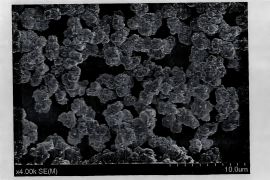
‌‌‌Cerium exhibits the appearance of a silver-grey reactive metal belonging to the group of rare earth elements (REEs). Its chemical symbol is Ce while its atomic number is 58. It holds the distinction of being one of the most abundant REEs.Ceriu powder has high reactivity towards air causing spontaneous combustion, and also easily dissolves in acids. It serves as an excellent reducing agent primarily used for alloy production.

The physical properties include: density ranges from 6.7-6.9 depending on crystal structure; melting point stands at 799℃ while boiling point reaches3426℃. The name "cerium" originates from the English term "Ceres", which refers to an asteroid. The content percentage within Earth's crust amounts to approximately0.0046%, rendering it highly prevalent among REEs.

Ceriu mainly occurs in monazite, bastnaesite, and fission products derived from uranium-thorium plutonium. In industry, it finds wide applications such as alloy manufacturing catalyst utilization.
READ MORE >

Yttrium Stabilized Zirconia A Game-Changer in Grinding Media?

Yttrium stabilized zirconia (Y2O3-ZrO2) has emerged as a remarkable material revolutionizing grinding processes across various industries. This advanced zirconia-based compound, modified with yttrium oxide (Y2O3) for enhanced stability, offers exceptional mechanical and chemical properties that make it a preferred choice for grinding applications.

Yttrium stabilized zirconia brings unique advantages to the table, making it stand out among other grinding media options. Its exceptional hardness, wear resistance, and chemical stability make it ideal for demanding processes that require precision and efficiency. Let us explore the remarkable properties of yttrium stabilized zirconia and its applications in grinding.

  1. Exceptional Stability: Yttrium oxide acts as a stabilizer for zirconia, preventing structural phase changes at high temperatures. This stabilizing effect imparts superior thermal and chemical resistance to the material, making it less susceptible to cracking or degradation during grinding operations.

  2. Enhanced Hardness: Yttrium stabilized zirconia exhibits remarkable hardness and wear resistance, surpassing many traditional grinding media materials. This exceptional hardness enables longer service life and ensures consistent grinding performance throughout the process.

  3. High Impact Strength: Yttrium stabilized zirconia grinding beads boast a high impact strength, enabling them to endure the rigors of grinding applications without fracturing or chipping easily. This durability enhances operational efficiency and reduces downtime associated with frequent media replacement.

  4. Chemical Inertness: Yttrium stabilized zirconia demonstrates excellent chemical inertness, making it resistant to corrosion and degradation by aggressive substances. This property ensures a clean and contamination-free grinding process, crucial for industries like pharmaceuticals and food processing.

  5. Versatile Applications: Yttrium stabilized zirconia finds extensive use in various grinding applications, such as paint and coatings, ink production, minerals and ores, and pharmaceutical formulations. Its versatile nature allows for customization of grinding media sizes and shapes to suit specific process requirements.

In conclusion, yttrium stabilized zirconia (Y2O3-ZrO2) has revolutionized the grinding industry with its exceptional properties. Its stability, hardness, impact strength, and chemical inertness have made it a preferred choice for grinding media, providing longer service life and enhanced efficiency. With its versatile applications and customization options, yttrium stabilized zirconia continues to push the boundaries of grinding technology.

(CAS 308076-80-4)

READ MORE >

Harnessing the Power of Niobium Powder A Breakthrough in Materials Science

Niobium, a versatile transition metal, has gained significant attention in the field of materials science due to its exceptional properties and a wide range of applications. In this article, we will explore the various forms of niobium powder, with a focus on the high-purity options: Niobium Powder 99.95%, Niobium Microparticles 99.95%, Low Oxygen Niobium Powder, and Niobium Sub-micron Powder (also known as Niobium Submicron Powder). These powders, characterized by their purity, low oxygen content, and small particle size, have revolutionized industries such as aerospace, electronics, and energy storage.

Niobium Powder 99.95%

With a purity level of 99.95%, Niobium Powder 99.95% exhibits exceptional chemical stability and high melting point, making it an ideal material for various applications. Its fine particle size enhances its reactivity, making it an excellent choice for catalysts and additive manufacturing processes. Furthermore, its excellent corrosion resistance, mechanical strength, and superconducting properties have made Niobium Powder 99.95% integral in the development of superconducting magnets used in particle accelerators and MRI machines.

Niobium Microparticles 99.95%

Niobium Microparticles 99.95% possess similar characteristics to Niobium Powder 99.95%, but with the added advantage of their smaller particle size. These microparticles offer improved surface area, ensuring better adhesion and dispersion when incorporated into various formulations. This feature makes them highly sought after in industries such as coatings, energy storage devices, and high-performance electronic components.

Low Oxygen Niobium Powder

Low Oxygen Niobium Powder, as the name implies, is meticulously processed to achieve an extremely low oxygen content. By reducing oxygen impurities, this powder exhibits enhanced superconductivity properties, making it an essential material in the construction of superconducting radio frequency cavities for particle accelerators. Additionally, its exceptional purity makes it an ideal choice for applications where even minimal oxygen content can cause degradation in performance, such as in high-temperature environments.

Niobium Sub-micron Powder

Niobium Sub-micron Powder, with particle sizes measured in sub-micrometer range, emerges as a groundbreaking development in the materials science field. Its minute particle size grants it astonishing reactivity, enabling rapid sintering and superior mechanical properties when used in powder metallurgy techniques. This powder also finds application in advanced ceramics, electronic components, and as an additive in alloys to enhance their strength and corrosion resistance.

CAS 7440-03-1: The Chemical Formula for Niobium

CAS 7440-03-1 refers to the Chemical Abstracts Service registry number for niobium. This unique identifier simplifies the distinction and tracking of niobium across various industries and research endeavors. Scientists, engineers, and manufacturers rely on this standardized numbering system to ensure clarity in communication and precision in material sourcing.

In conclusion, niobium powders, specifically Niobium Powder 99.95%, Niobium Microparticles 99.95%, Low Oxygen Niobium Powder, and Niobium Sub-micron Powder, have revolutionized the materials science landscape. Their exceptional purity, low oxygen content, and specific particle sizes provide a vast array of possibilities for applications in diverse industries. As research and development continue to unveil new properties and applications, it is evident that niobium powder holds immense potential for future technological advancements.

READ MORE >

Unlocking the Potential of Tungsten(VI) Oxide (WO3) Powder Tips and Tricks for Enthusiasts

Tungsten salt compounds have gained significant attention in various industries due to their unique properties and applications. One such compound that stands out is Tungsten(VI) Oxide, also known as Tungsten Trioxide (WO3). With its remarkable conductivity, excellent photochromic properties, and catalytic capabilities, WO3 powder has become a favorite among researchers and entrepreneurs alike.

In this article, we will explore some valuable tips and tricks to help enthusiasts make the most of Tungsten(VI) Oxide (WO3) Powder 1314-35-8.

1. Understanding the Basics

Before diving into practical applications, it’s crucial to grasp the fundamental properties of WO3 powder. Tungsten(VI) Oxide is a yellow crystalline powder that is highly stable under normal conditions. It is insoluble in water but can react with acids and alkalis. Understanding its chemical behavior and unique characteristics will pave the way for successful experiments and applications.

2. Quality Matters

When working with Tungsten(VI) Oxide powder, it’s paramount to ensure its quality. Always source your WO3 powder from trusted suppliers and manufacturers. Look for reputable brands that provide high-purity grade materials to avoid any impurities that may affect your desired outcome. Evaluating the particle size, purity level, and certification of the product is essential for obtaining accurate results.

3. Handling and Storage

To maintain the integrity of WO3 powder, proper handling and storage are vital. Always wear appropriate personal protective equipment, such as gloves and goggles, when working with the powder. Store it in a cool, dry place in tightly sealed containers away from direct sunlight or moisture. This will prevent any unwanted reactions or degradation, ensuring the longevity and reliability of your WO3 powder.

4. Applications of WO3 Powder

The versatility of Tungsten(VI) Oxide powder opens up a world of possibilities. Here are some exciting applications:

  • Smart Windows: WO3 powder is used in the fabrication of electrochromic windows, capable of regulating light transmission based on electrical signals. This technology offers energy efficiency and light control for buildings and vehicles.

  • Gas Sensors: WO3 powder exhibits excellent gas sensing properties, making it an ideal material for gas sensors. These sensors are used in various industries, including environmental monitoring, automotive, and industrial safety.

  • Catalysis: WO3 powder is a catalyst with applications in the petroleum industry. It plays a crucial role in transforming hydrocarbons and reducing nitrogen oxides, making it valuable in catalytic converters and fuel cells.

5. Exploring New Possibilities

Going beyond established applications, WO3 powder enthusiasts have the opportunity to push the boundaries and explore new frontiers. Conducting thorough research, collaborating with other experts, and staying updated with advancements in the field will help uncover innovative uses for this remarkable material.

In conclusion, Tungsten(VI) Oxide (WO3) Powder 1314-35-8 offers endless possibilities for enthusiasts. By understanding its properties, ensuring quality, handling it properly, and exploring various applications, you can unlock the true potential of WO3 powder. So go ahead, embrace the world of Tungsten(VI) Oxide, and unleash your creativity in the exciting realm of tungsten salt compounds.

READ MORE >

Difficulties and Precautions for Exporting Erbium Oxide from China

Difficulties and Precautions for Exporting Erbium Oxide from China


1.Characteristics and Uses of Erbium Oxide

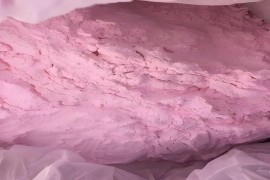
Erbium oxide, with the chemical formula Er₂O₃, is a pink powder. It is slightly soluble in inorganic acids and insoluble in water. When heated to 1300°C, it transforms into hexagonal crystals without melting. Erbium oxide is stable only in its Er₂O₃ form and features a cubic structure similar to manganese trioxide. The Er³⁺ ions are octahedrally coordinated. For reference, see the "Erbium Oxide Unit Cell" illustration. The magnetic moment of Er₂O₃ is notably high at 9.5 MB. Erbium oxide is primarily used as an additive in yttrium iron garnet, a control material for nuclear reactors, and in special luminescent and infrared-absorbing glass. It is also employed as a glass colorant and is used to make pink glass. Its properties and preparation methods are similar to those of other lanthanide elements.


2.Analysis of Difficulties in Exporting Erbium Oxide

(1). The commodity code for erbium oxide is 2846901920. According to China Customs regulations, exporters must hold a rare earth compound export license and provide necessary declaration elements. The export supervision conditions include 4 (export license), B (export clearance form for outbound goods), X (export license under the processing trade category), and Y (export license for border small-scale trade). The inspection and quarantine supervision category is statutory export commodity inspection.

(2).Exporting erbium oxide presents challenges as some airlines and shipping companies do not accept these goods, and export warehouses may refuse them. Therefore, exporters must confirm with airlines, shipping companies, and warehouses whether they can handle these goods before arranging air or sea freight and container loading.

(3).Packaging for erbium oxide must comply with the export requirements set by the Chinese Bureau of Commerce and Customs. Packaging must be formal, and a commercial inspection certificate and a GHS label must be provided.

(4).While the export and transportation of erbium oxide are permitted by policy, it cannot be mixed with other hazardous chemicals due to the risk of chemical reactions, combustion, and fire.

(5).Accuracy of data and information is crucial. Booking information, declaration information, and customs declaration details must be consistent and aligned. Any discrepancies or changes after confirming space can be troublesome, so thorough review is necessary.


3.Packaging Considerations for Exporting Erbium Oxide

(1).Verify through MSDS/UN codes and other sources whether erbium oxide is classified as a dangerous good in the importing country and if special packaging for hazardous materials is required.

(2).Packaging Regulations for Chemical Powders in Bags: For bagged powder products, the outer layer must be packed in plastic-coated textile or foil bags to prevent leakage and isolate the powder from static electricity.

(3).Packaging Regulations for Chemical Powders in Barrels: The barrel cover must be sealed, and the barrel ring should be secure. The barrel body must have tight seams without gaps and should be robust.

(4).Some importing countries may classify erbium oxide from China as an anti-dumping product. It is essential to confirm and provide proof of origin in advance.

  • #
  • #
  • #

-

4.Erbium Oxide Export Advantages

Erbium oxide is a sensitive commodity in terms of China's customs export declaration and international logistics. It requires stringent export customs declaration and logistics distribution procedures, along with complex documentation. UrbanMines Tech. Co., Ltd. operates an erbium oxide processing and production workshop in China domestic, specializing in quality control aspects such as purity, impurities, and particle size. UrbanMines is proficient in export declaration and international logistics for powdered products. UrbanMines Tech. Co., Ltd. offers a comprehensive, professional, and reliable one-stop service for erbium oxide production and supply to customers worldwide.


READ MORE >

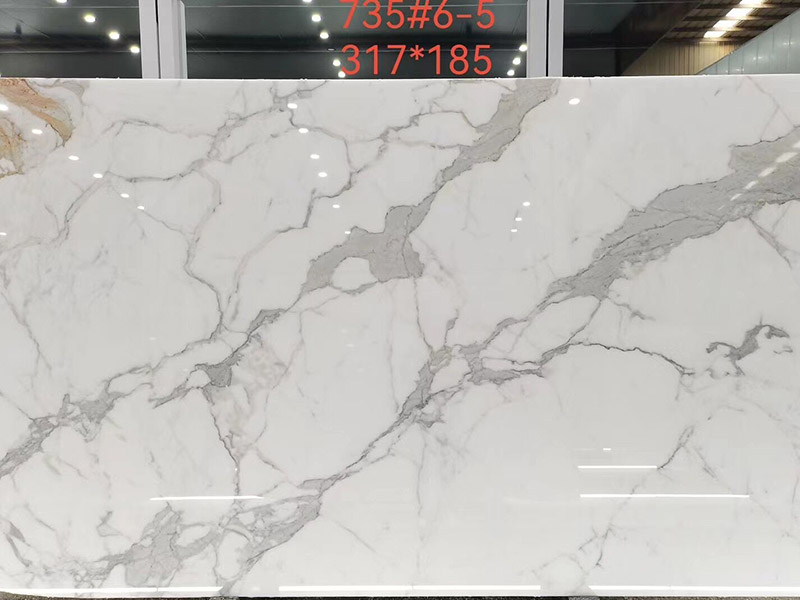
What is the secret of Calacatta?

What is the secret of Calacatta? Why this marble is so popular? How many kinds of Calacatta (or Calacata) marble exist? 


Calacatta Marble


Calacatta Marble


Calacatta Marble


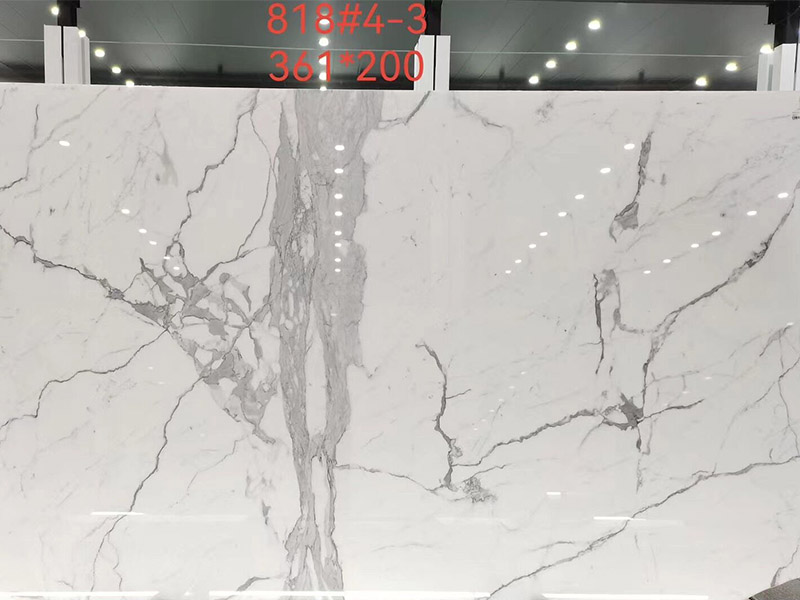
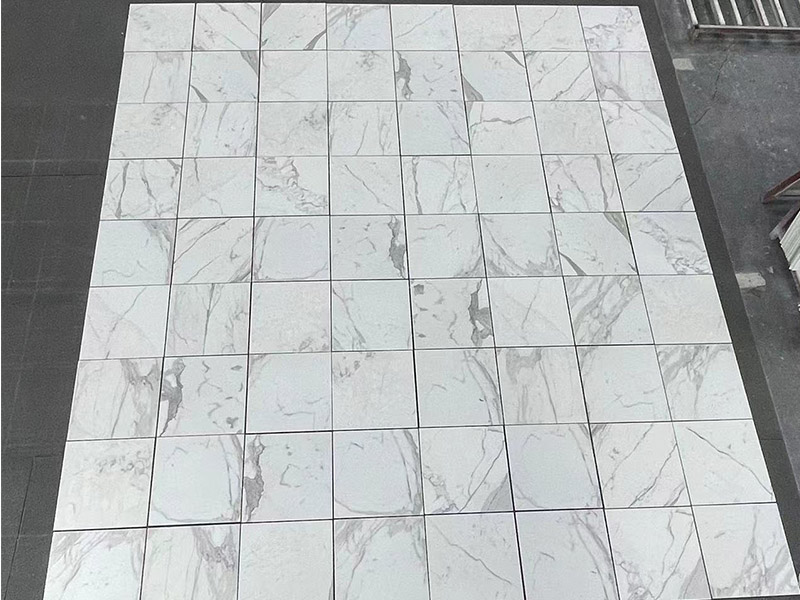
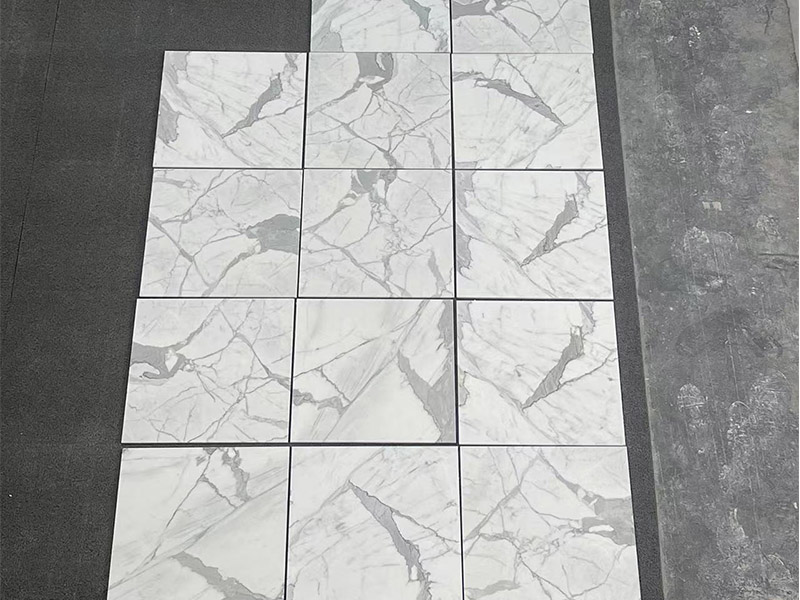
Calacatta marble is a distinctive white Italian marble with gray and gold veining.Marble Calacatta takes name from the localities in Carrara (Calacatta, Calagio e Calocara) and there only 5 quarries located in this small area that give marble named Calacatta. The main characteristic of this marble is pure white microcrystalline structure with graphic veining of all shades of grey and gold colors. Technically it is high density marble, very hard, with very law absorbtion coefficient, law flexibility and others very highly appreciated by engineers characteristics. But to me the main value of this marble is its uniqueness, history and prestige. Nowadays most of high end design projects bare inside some Calacatta. And  personally I don’t think it’s only the history of this marble used by Michelangelo, Canova and most of artists, but the fact that it’s warm white background and all shades of grey and gold colors match most of modern colors and designs - from minimal to very extravagant and striking effects.


 Available as marble slabs and marble tile in both honed and polished finishes, this elegant natural stone is the perfect choice to create stunning marble countertops, marble kitchen islands, marble floors and backsplashes.


Calacatta Marble Tiles


Calacatta Marble Tiles


Calacatta Marble Tiles

READ MORE >

HOW TO CHOOSE THE CERAMIC TILES

Modern Design 300x600mm Marble Wall Tile


Size: How much space you need to cover.

You should choose a tile size based on how much space you need to cover. If you plan to install ceramic floor tiles in an area with high foot traffic, such as a hallway or entryway, make sure the tile size is large enough to accommodate people walking across it.

Larger tiles can make a space feel more spacious and create fewer joint lines. For example, you might use larger tiles in living rooms, dining rooms, and bedrooms, and smaller tiles in kitchens and bathrooms.

Durability: Ceramic tiles are long-lasting and require minimal maintenance

Glossy tiles can make a space feel brighter and more spacious, but they can be slippery when wet, so they might not be ideal for kitchens or bathrooms.

Durability

The Porcelain Enamel Institute rates tiles on a scale of I–V for hardness, with higher grades being more resistant to chipping and scratching. Grade 5 porcelain tiles are the toughest and best for areas with heavy foot traffic.When checking the quality of a tile, you can make sure it's a perfect square or rectangle with sharp edges at right angles, and that it's not warped, cracked, or chipped.

Style

There are three types of ceramic tile: glazed, unglazed, and porcelain. Glazed tiles are coated with ceramic stains and glass-forming minerals, and can have a matte, semi-gloss, or high-gloss finish.

Appearance: Color, pattern, and style can complement your decor

Location: If the tiles are for an exterior space, like a garden or pool, you might want to consider that

Water resistance: Ceramic tiles are water-resistant, which can be good for a laundry room

Grout: The grout you choose can change the look of your space

You can also consider the purpose of the tile, material, maintenance, and budget. Visiting a tile store or showroom can help you see and touch different options.

READ MORE >